What Happened at Wittenoom?
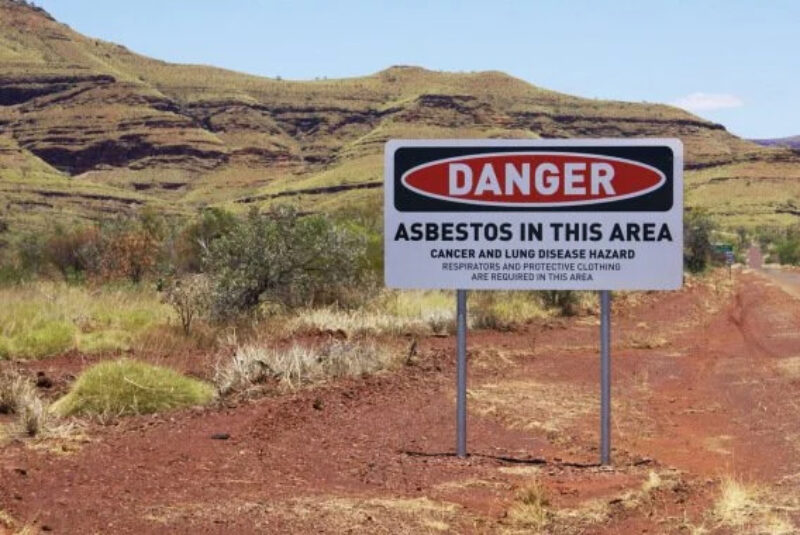
In the 1950s, Wittenoom was Australia’s main source of asbestos, and for a period, the largest crocidolite (blue asbestos) mining operation in the country.
Located in the Pilbara region of Western Australia, Wittenoom sits roughly 1,400km north of Perth, near Tom Price and not far from Karijini National Park. Today it is a remote and abandoned site, but its history is closely tied to one of Australia’s most significant industrial health tragedies.
Between 1943 and 1966, it is estimated that more than 165,000 tonnes of blue asbestos were mined and processed at Wittenoom. At the time, the health risks were not fully understood or publicly acknowledged. However, as evidence emerged linking asbestos exposure to serious disease, operations were shut down and the town was eventually closed.
Blue asbestos from Wittenoom is now recognised as one of the most hazardous forms of asbestos. Exposure to its fibres is associated with mesothelioma, an aggressive and incurable cancer. Tragically, more than 2,000 people, including mine workers, their families, and residents, are believed to have died as a result of exposure linked to the area.
Due to the extreme level of contamination, the Western Australian Government progressively withdrew services from Wittenoom, and in March 2022, the Wittenoom Closure Bill formally passed into law. At the time, it was described as marking “a dark chapter in Western Australia’s history coming to a close.”
The area is now officially closed, and access is prohibited. There is no safe way to visit Wittenoom, and entry can result in prosecution due to the ongoing asbestos contamination across the landscape.
Wittenoom remains a stark reminder of the long-term risks associated with asbestos exposure and why strict controls, proper identification, and safe removal practices are so critical today.