I Suspect Asbestos at My Business or Workplace. What Do I Do?
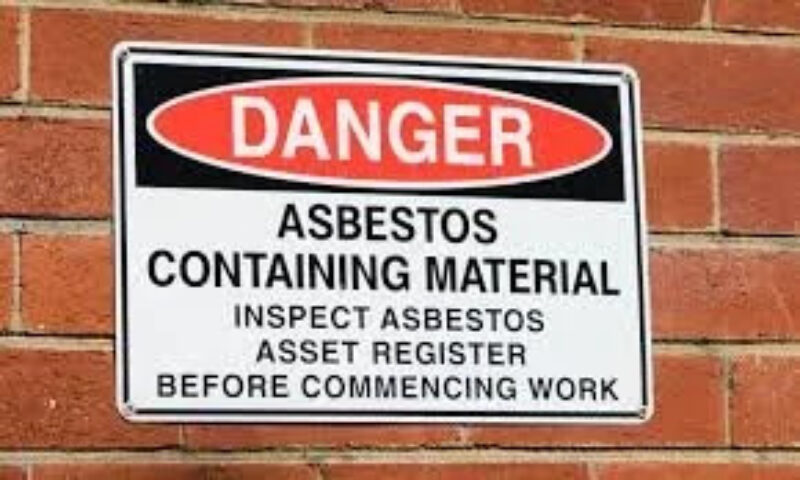
An asbestos register is a key document used to identify and manage asbestos-containing materials (ACMs) within a workplace or commercial building. It forms part of the overall asbestos management system and is designed to ensure that anyone working in or on a property knows where asbestos is located before any maintenance, refurbishment, or construction work begins.
The register records important details such as when asbestos was identified, its exact location within the building, the type of material, and its current condition. This information allows property owners, managers, and contractors to make informed decisions about how to safely carry out work without disturbing ACMs.
In older buildings—particularly those that have been repaired, renovated, or extended over time - identifying asbestos can become more complex. Materials may be hidden behind newer finishes, mixed with multiple building layers, or located in less obvious areas such as ceiling voids, wall cavities, flooring systems, and external cladding. This is why a structured inspection and testing process is essential to accurately identify what materials are present.
Under Western Australian work health and safety requirements, commercial buildings and workplaces constructed before 31 December 2003 are required to have an asbestos register if asbestos is present or assumed to be present. This date is significant because asbestos was widely used in construction materials prior to its phase-out in Australia, meaning many older buildings are likely to contain it in some form.
The most reliable way to develop an accurate asbestos register is through a professional site inspection, including sampling and laboratory analysis where required. Assumptions alone are not sufficient where there is potential for asbestos disturbance.
The purpose of the register is simple but critical: to prevent accidental exposure. Without clear information on where asbestos is located, workers may unknowingly drill, cut, or disturb materials containing asbestos fibres, creating a serious health risk.
To remain effective, the asbestos register must be kept current. It should be reviewed at least every five years, and updated whenever asbestos is removed, disturbed, or new information becomes available about the building.
When maintained properly, the asbestos register becomes a practical tool for everyday safety, not just a compliance document. It supports safer planning, reduces risk on site, and ensures asbestos is managed in a controlled and informed way.