Air-Monitoring Services
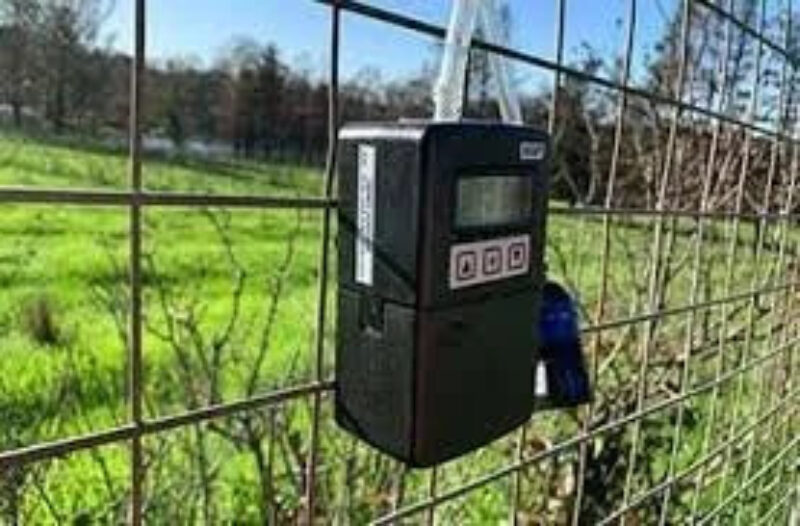
Air monitoring is used to check whether asbestos fibres are present in the air during or after asbestos-related work, and to confirm that control measures are working properly. It provides clear, independent evidence of site conditions rather than relying only on visual inspections.
The process uses a calibrated air sampling pump that draws a measured volume of air through a small membrane filter. As air passes through, any airborne particles—including potential asbestos fibres—are captured on the filter. The pump is run for a set period of time depending on the type of monitoring required and the conditions of the site.
Once the sample is collected, it is sealed and sent to an accredited laboratory for analysis. The lab examines the filter under a microscope to identify and count fibres. The results are reported as a fibre concentration in the air, usually measured in fibres per millilitre (f/mL). These results are then used to assess whether the environment is within acceptable safety limits and whether control measures are effective.
In Western Australia, air monitoring is not automatically required for all asbestos removal jobs. Under guidance from WorkSafe WA, Class B (non-friable) asbestos removal may not require routine air monitoring in all cases. However, it is often required under specific project conditions, such as government contracts, commercial risk controls, or where it is specified in an Asbestos Removal Control Plan (ARCP).
Air monitoring becomes more important in higher-risk situations, such as friable asbestos removal, work in occupied buildings, or complex containment setups. It may be used during the job (to check containment integrity) and at completion (clearance monitoring) to confirm the area is safe to re-enter.
A key requirement is independence. When air monitoring is required, it must be carried out by a competent, independent person. This ensures the results are objective and not influenced by the removal contractor. The monitor is responsible for selecting sampling locations, operating the equipment, interpreting results, and providing clear reporting that supports clearance decisions.
If results show elevated fibre levels, it may indicate that controls are not working as intended. In these cases, work may need to stop while additional containment, cleaning, or corrective measures are carried out before continuing.
Air monitoring is often used alongside other asbestos controls such as site containment, decontamination procedures, and clearance inspections. Together, these measures provide confidence that asbestos work is being carried out safely and that the area is suitable for reoccupation.
It can also be used outside of removal projects—for example, after refurbishment works or where there is concern about potential contamination. In these cases, it helps confirm whether the air environment is safe and free from asbestos risk.