Understanding Asbestos Licensing Requirements in Western Australia
Asbestos removal in Western Australia is tightly regulated, and for good reason. The risk profile of asbestos, particularly when disturbed, requires a licensing framework that clearly defines who can carry out the work, under what conditions, and to what standard. Treating licensing as a formality is where many projects run into trouble. In practice, it is one of the primary controls that underpins safe and compliant asbestos management.
Under legislation administered by WorkSafe WA, asbestos removal work must be performed by appropriately licensed contractors depending on the type and quantity of material involved. The two main licence classes - referred to as Class A and Class B - reflect the level of risk associated with the asbestos being removed. Class B licences apply to non-friable (bonded) asbestos, such as cement sheeting, where fibres are more stable if left undisturbed. Class A licences are required for higher-risk friable asbestos, where materials can be crumbled or reduced to powder and fibres are more easily released into the air.
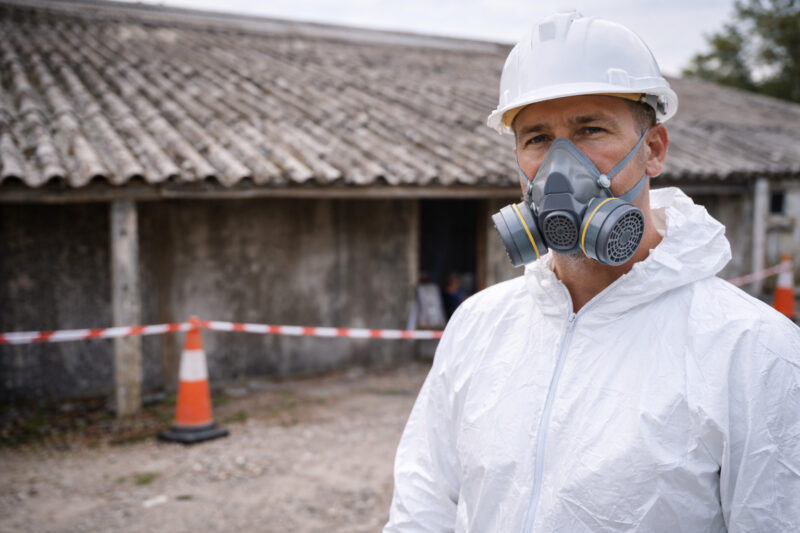
Licensing also ties directly into how work is planned and executed. A licensed contractor is expected to prepare asbestos removal control plans, implement site-specific risk assessments, and ensure all work is carried out in accordance with approved methods. This includes correct use of personal protective equipment, establishment of exclusion zones, safe handling and packaging of waste, and coordination with other trades to prevent inadvertent disturbance of asbestos-containing materials.
There are also clear requirements around waste management. Asbestos waste must be transported and disposed of in accordance with regulatory standards, including appropriate containment, labelling, and use of licensed disposal facilities. These obligations remain consistent regardless of whether the project is in a metropolitan area or a remote region, which means logistical planning is a key part of maintaining compliance.
Verification is another critical component of the licensing framework and come in the forms of Clearance Certificates and Air Monitoring.
For clients, understanding these requirements is essential to making informed decisions. It allows project teams to engage contractors with the appropriate capability, avoid missteps in procurement, and ensure that asbestos risks are managed from the outset. It also provides confidence that the work will meet regulatory expectations and stand up to scrutiny if reviewed.
North West Asbestos & Demolition Solutions operates within this framework, holding the required licences and systems to undertake regulated asbestos removal across commercial, government, and industrial sites. The result is not just compliant work, but outcomes that can be relied upon long after the project is complete.