The Difference Between Asbestos Removal and Asbestos Management (And Why It Matters for Compliance)
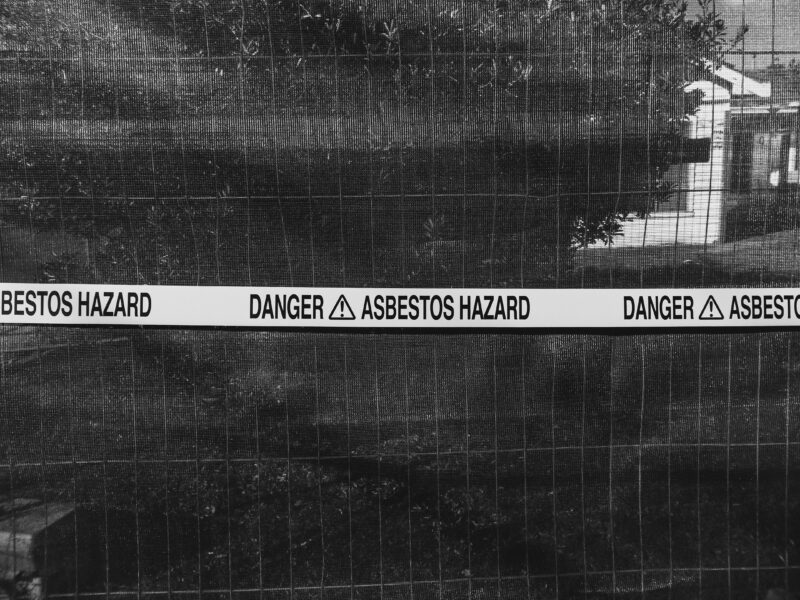
Asbestos removal and asbestos management are often used interchangeably, but they are very different approaches to controlling risk, and using the wrong one can lead to unnecessary cost, delays, or exposure.
Asbestos management is about leaving asbestos in place safely. Many older commercial and industrial buildings still contain asbestos-containing materials (ACM), often hidden in walls, ceilings, flooring, or plant areas. If these materials are in good condition and unlikely to be disturbed, they don’t need to be removed immediately. Instead, they are managed in place.
This means identifying where asbestos is, recording it in an asbestos register, monitoring its condition, and making sure anyone carrying out maintenance or construction work knows it’s there before they start. The Code of Practice: How to Manage and Control Asbestos in the Workplace, supported by WorkSafe WA, is clear that this “manage in place” approach is a valid and expected control when the material is stable.
Asbestos removal is different. It is used when asbestos can’t safely stay where it is - either because it is damaged, likely to be disturbed, or sits within the scope of refurbishment or demolition works. In these cases, the material must be physically removed by licensed asbestos removalists under controlled conditions.
That includes setting up containment, isolating work areas, using appropriate PPE, following strict removal procedures, and often carrying out air monitoring. Once complete, the area is inspected and cleared before any further work or re-occupation.
The key difference is simple: management controls asbestos where it is; removal gets rid of it when it becomes a risk.
Getting this decision right matters. Unnecessary removal adds cost and disruption. But leaving asbestos in place when it’s likely to be disturbed can create serious safety and compliance issues.
That’s why decisions are based on condition, risk, and planned works, not guesswork. If asbestos is stable and undisturbed, management is usually appropriate. If it’s in the way of works or deteriorating, removal is the safer option.
Both approaches rely on solid documentation - the asbestos register and management plan are the starting point. These tools guide decisions and ensure anyone working in the building understands the risks before they start.
Guidance from the Australian Institute of Occupational Hygienists reinforces this approach, supporting risk-based decisions that prioritise safety without defaulting to unnecessary removal.
In short, management controls risk. Removal eliminates it. The right choice depends on the building, the condition of the material, and what work is planned next.