Friable and Non-Friable Asbestos
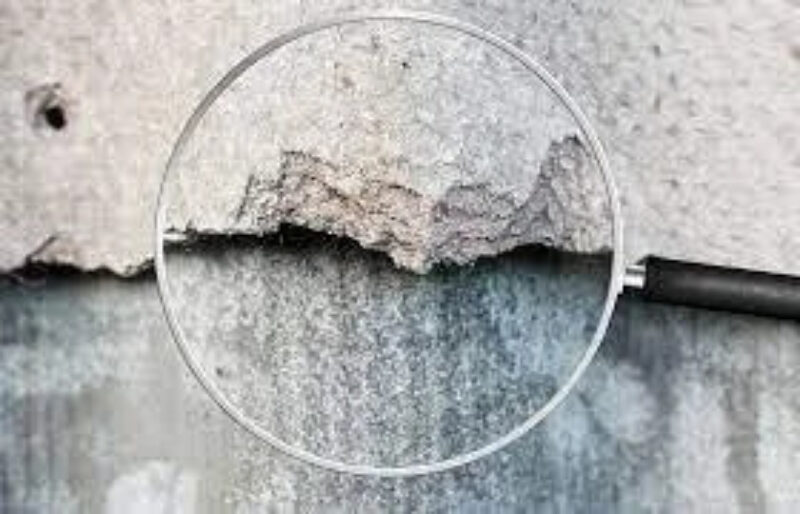
Asbestos-containing materials (ACMs) are generally grouped into two types: friable and non-friable (bonded). The difference comes down to how easily the material can release asbestos fibres into the air.
Friable asbestos is the more dangerous form. It has been crushed, damaged, or has naturally broken down into a powdery state. Because it is loose and not bound tightly, it can release fibres very easily when disturbed—even by light contact or air movement. This is why friable asbestos is tightly controlled under Western Australian regulations enforced by WorkSafe WA, and usually requires specialised removal methods.
Non-friable asbestos, also called bonded asbestos, is more commonly found in buildings. Here, asbestos fibres are locked into solid materials like cement sheeting, roofing, or vinyl flooring. When the material is in good condition and left undisturbed, it is much less likely to release fibres.
However, bonded asbestos is not risk-free. If it is cut, drilled, broken, or damaged over time, it can start to break down and release fibres, effectively becoming more like friable asbestos.
It’s important to understand that both types of asbestos are hazardous and can cause serious disease, including lung cancer and mesothelioma. The difference is mainly how easily fibres can become airborne.
In simple terms:
- Friable asbestos = loose, dusty, high risk
- Non-friable asbestos = solid, lower risk if intact, but still dangerous if disturbed
This is why identifying asbestos early is so important. Once it’s known what type is present and what condition it’s in, the right controls can be put in place—whether that’s managing it safely in place or removing it under controlled conditions.
No matter the type, asbestos should always be treated carefully, because the real danger comes when fibres are released into the air and breathed in.